Skip to content

shaped by changing landscapes

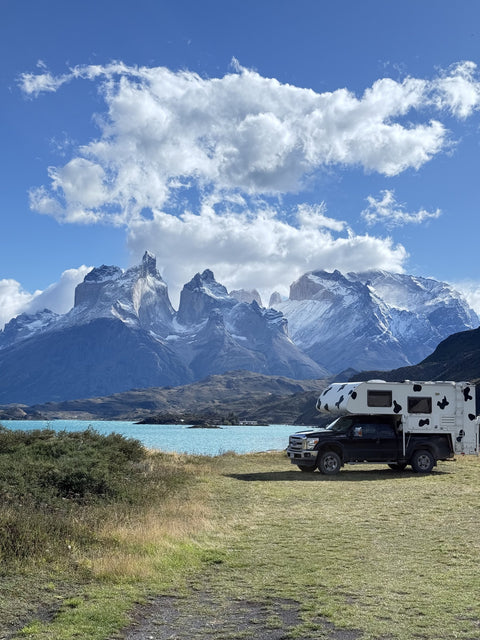
Atelier Marx studio camper at Torres del Paine, Patagonia
End of the World

Patagonia, Tierra del Fuego, and Chile. Paintings made at the southern edge of the inhabited world.

Across Patagonia

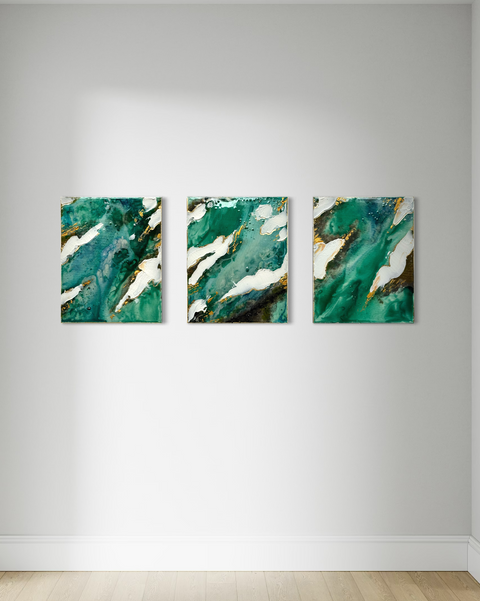
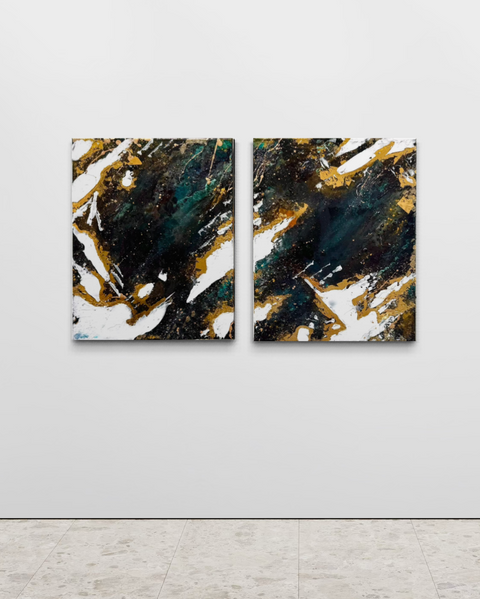
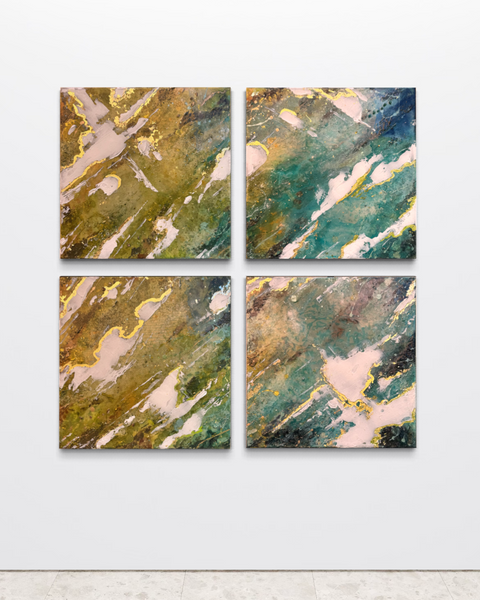
This series came out of a journey through Patagonia, Tierra del Fuego, and Chile. Each painting carries materials from the location it portrays: glacial sediment, marble dust, high-altitude pigments, volcanic black, ground by hand into the surface of the work.
The journey
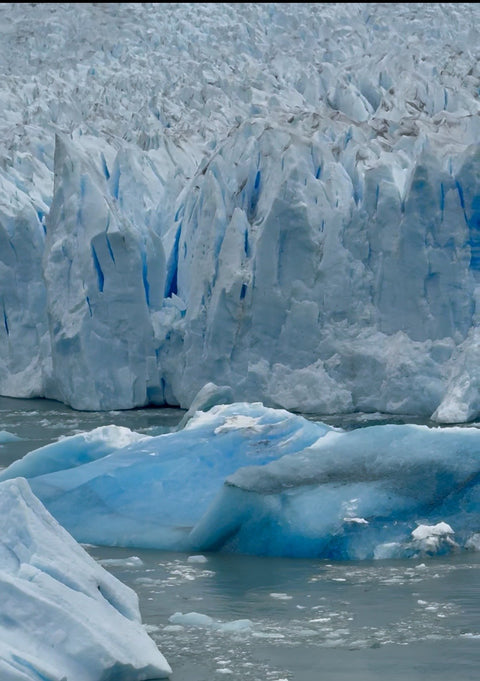
Perito Moreno Glacier

Marble Caves

Valle de las Estrellas

Santa Cruz Steppe

Ushuaia

Volcán Llaima

Perito Moreno Glacier, Patagonia

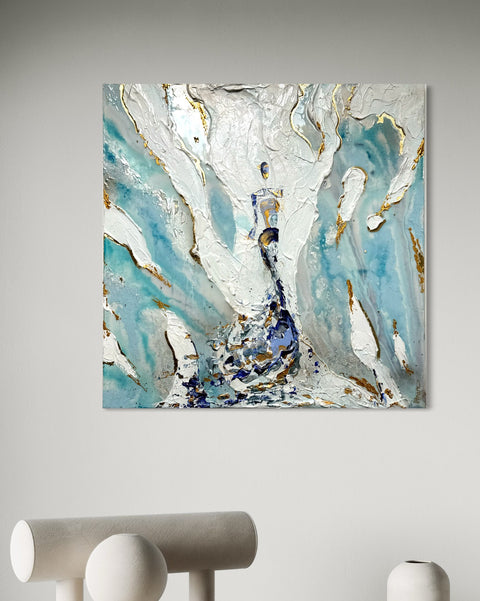
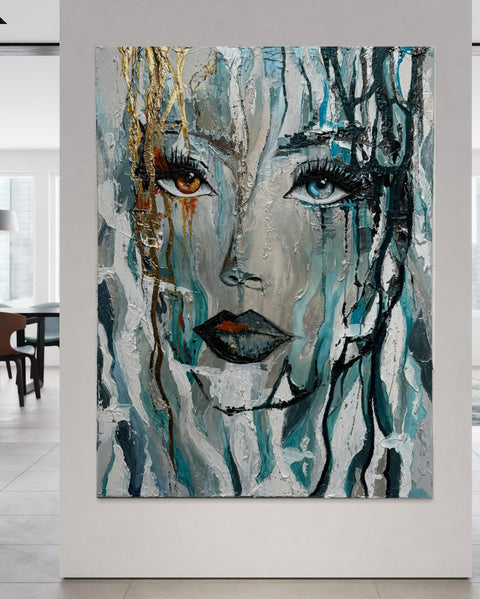
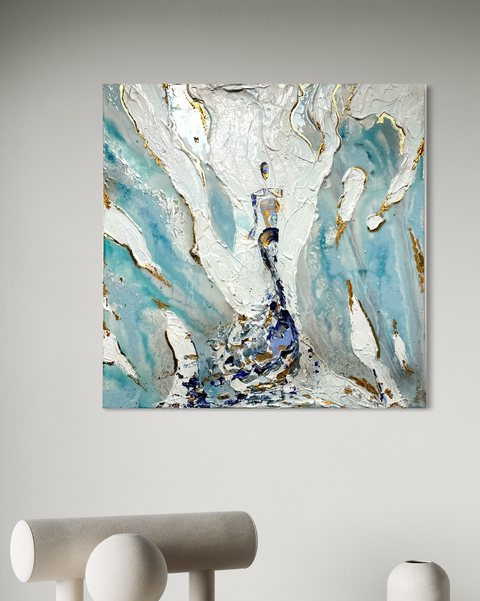
Perito Moreno is one of the great glaciers of Patagonia. From the meltwater margins of the ice, glacial sediment was collected. That sediment carries the deep blues that appear in the painting, layered with poured resin and gold leaf for the ice.

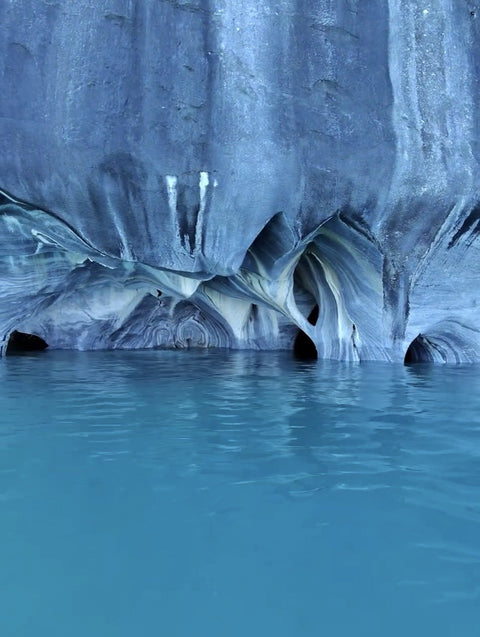
Marble Caves, Puerto Rio Tranquilo, Chile

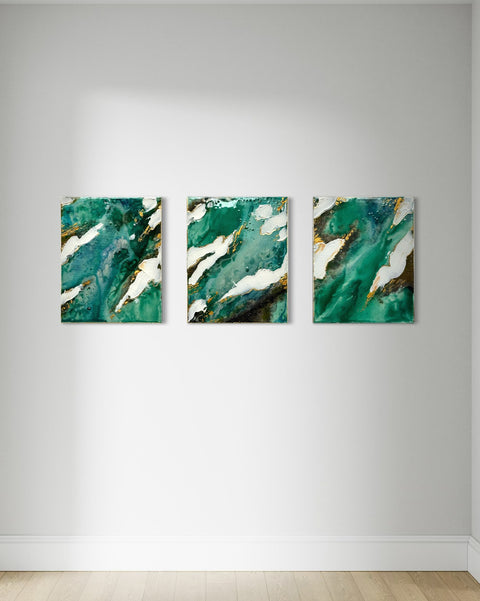
At Puerto Río Tranquilo the lake water has carved white and blue marble into a cathedral. The caves are visibly thinned by erosion and by the boats that pass through them daily. Marble dust from the site forms the soft, layered ground of the painting.

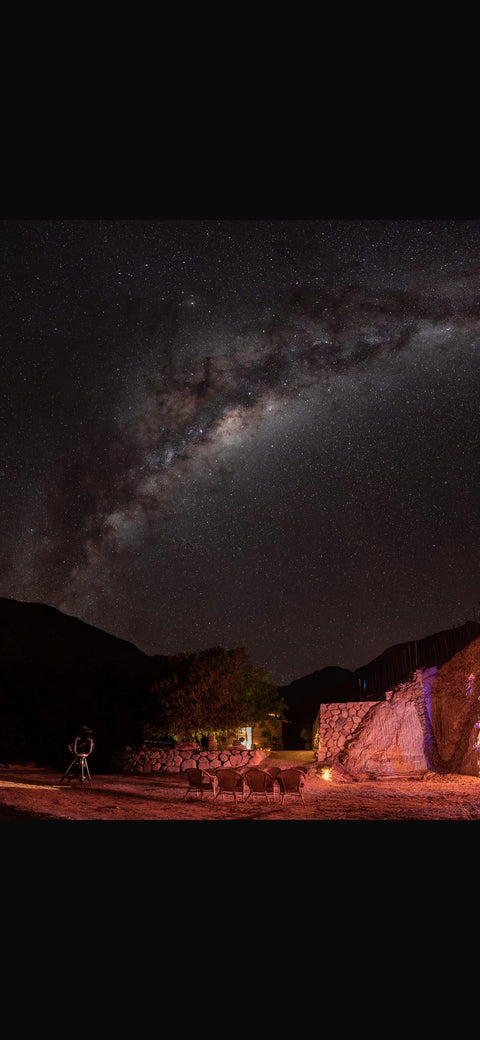
Valle de las Estrellas, Elqui Valley, Chile

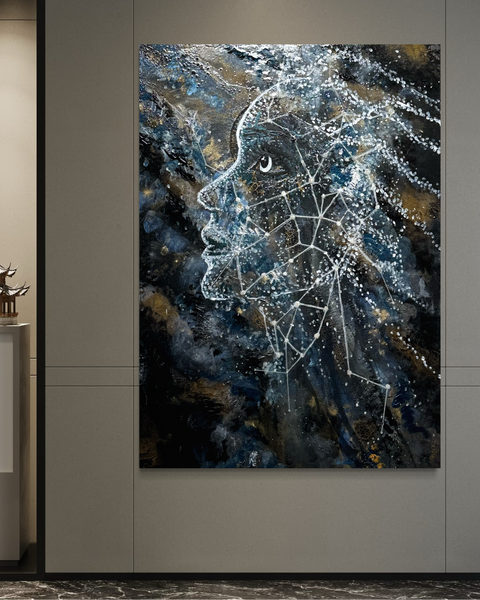
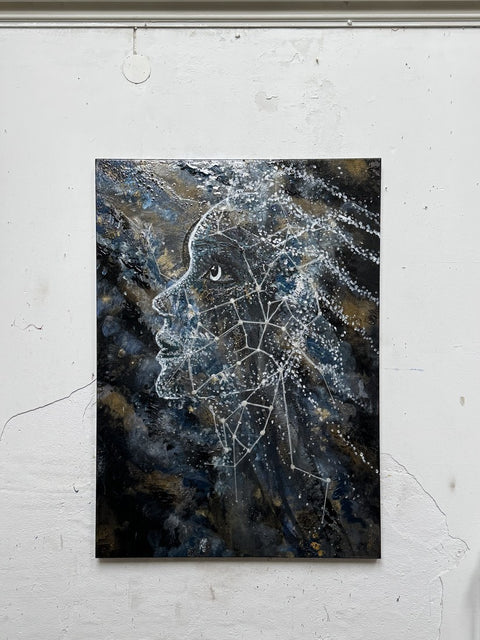
At one of the highest vineyards in the world, the night sky is unlike any other. The painting tied to this place takes shape in the lines of the Milky Way, where stars trace the contours of a portrait. Pigments from the high-altitude steppe ground give the work its mineral darkness.

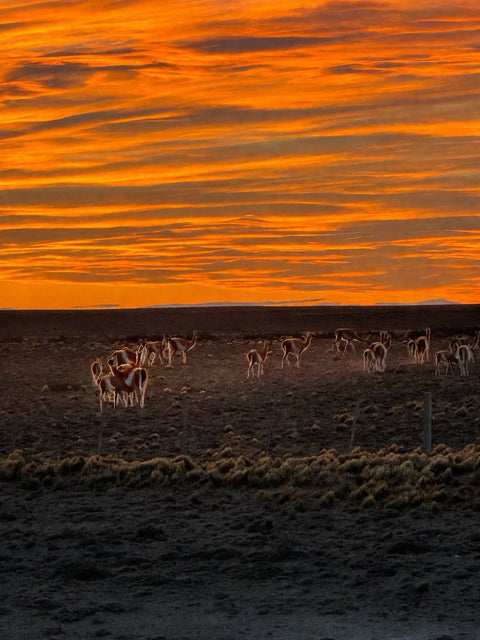
Santa Cruz Province steppe, Argentina

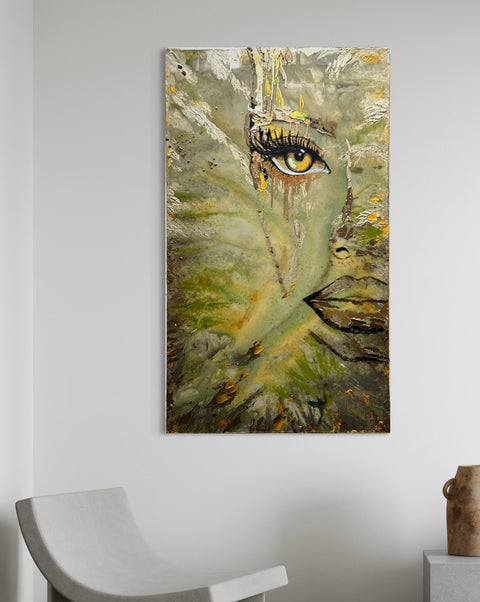
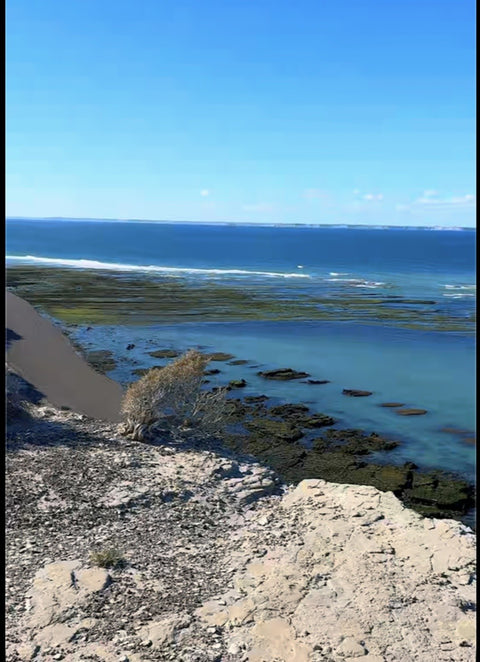
The open steppe of Santa Cruz Province is one of the largest landscapes on the continent: endless plain under enormous sky and wind. Minerals, gravel and sand gathered here are pressed into the surface of the painting, carrying that wide, quiet openness into the work.

Ushuaia, Tierra del Fuego, Argentina

The southernmost city in the world, the place this series points to. The works tied to it are dedicated to the species disappearing from this stretch of the world, painted in the muted tones of a landscape held at the edge.

Volcan Llaima, Conguillio National Park, Chile

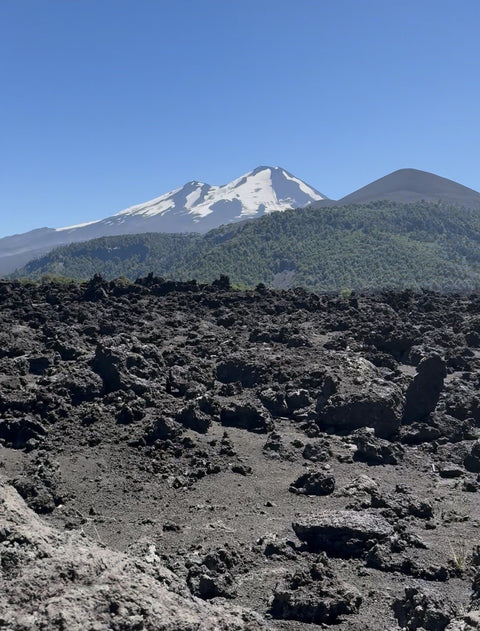
An active volcano inside Conguillío National Park, Chile. From its lower slopes, volcanic black was gathered. It became the basis of the darkest painting in the series.

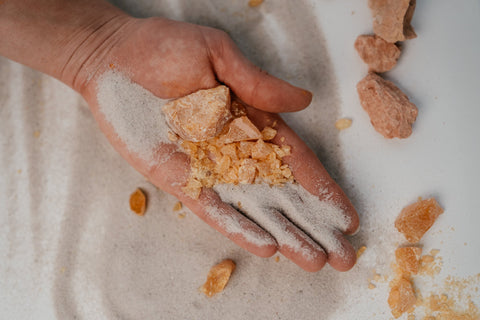
Hand-ground pigment and stone, Atelier Marx

From the land into the work

Glacial sediment from Perito Moreno. Marble dust from the caves at Puerto Río Tranquilo. High-altitude steppe pigments from Valle de las Estrellas and the open country of Santa Cruz Province. Volcanic black from Llaima. Muted earth tones from the southern reaches of Tierra del Fuego.

Every pigment in this series comes from the location of the painting. Each work holds a physical fragment of a landscape that may not exist in the same form a generation from now.

On the road, South America

The End of the World paintings come from a journey through Patagonia, Tierra del Fuego, and Chile. The work moved between glaciers, marble caves, the high steppe, the volcanic ground of Llaima, and the country at the southern edge of the world. These are landscapes already changing, and what each painting holds is one moment in that change.

Marjolein

More from Atelier Marx